Sun - Sat: 9AM - 6PM





SPRUCE IT UP GARDEN CENTRE
Spruce It Up, Green It Up, Prune It Up, we've got you covered!
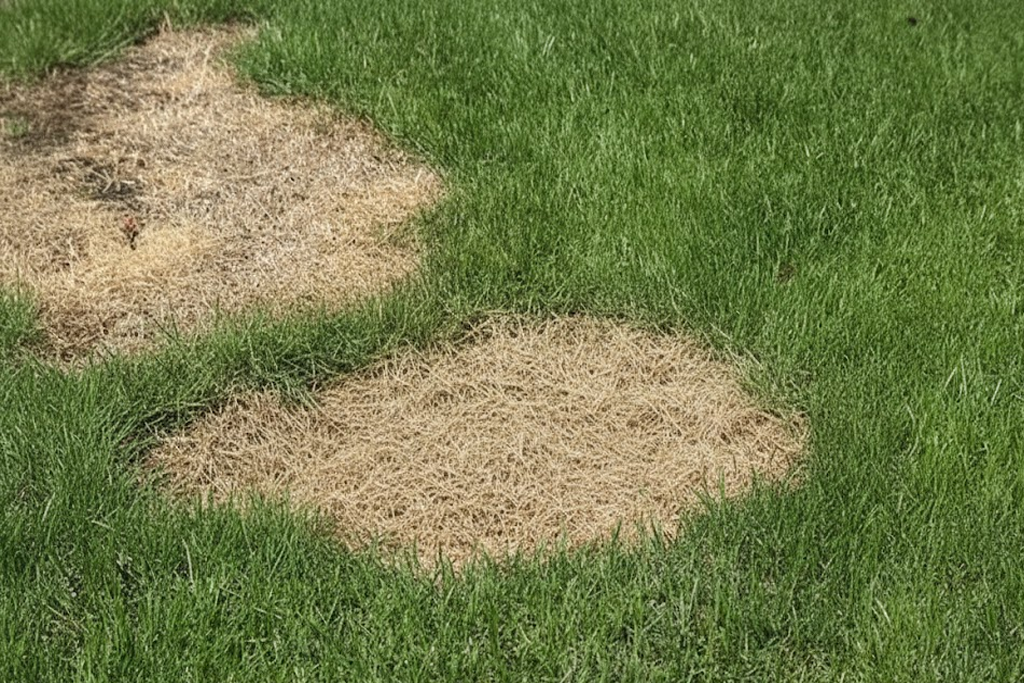
How to Avoid Burning Your Lawn with Fertilizer: Fix Burned Grass, and Prevent Lawn Fertilizer
A lush, beautiful lawn requires regular feeding, but applying too much fertilizer can quickly transform green grass into unsightly yellow or brown patches of damaged turf. Fertilizer burn happens when excessive nutrients—particularly nitrogen salts—accumulate in the soil, drawing moisture from grass blades and plant roots, essentially dehydrating your lawn from the roots up. Understanding how to avoid fertilizer burn protects your lawn care investment while ensuring your grass gets the nutrients it needs to stay green and growing throughout the season. This comprehensive guide explains what causes fertilizer burn, how to recognize the telltale brown spots and streaks, proven techniques for preventing fertilizer damage, and effective recovery strategies to help burned grass bounce back. Whether you’re a first-time homeowner learning to fertilize your lawn or an experienced gardener seeking to prevent brown patches, mastering these tips to avoid fertilizer problems ensures you feed your lawn without accidentally destroying it.
What Is Fertilizer Burn and Why Does It Happen?
Fertilizer burn appears as brown or yellow patches on your lawn where excessive fertilizer application has damaged the grass. Understanding the mechanism behind this damage helps you prevent it from occurring in the first place.
The science behind fertilizer burn involves osmotic pressure and salt concentration. Lawn fertilizer contains concentrated nutrient salts—primarily nitrogen, along with phosphorus and potassium (the N-P-K ratio on product labels). When you apply fertilizer, these salts dissolve in the soil moisture. In proper concentrations, grass roots absorb these nutrients along with water. However, when too much fertilizer concentrates in one area, the salt concentration in the soil exceeds that inside plant roots. This reverses normal water flow through osmosis—instead of roots drawing water from soil, moisture is pulled out of roots into the surrounding soil. This dehydration kills grass from the roots up, creating the characteristic brown grass appearance.
Several factors increase the risk of fertilizer burn beyond simply using too much product. Applying fertilizer during summer heat or drought stresses grass that’s already struggling with water availability. Quick-release fertilizers deliver nutrients rapidly, creating higher salt concentrations than slow-release formulas. Overlapping application patterns or fertilizer spreader malfunctions that dump excess fertilizer in concentrated areas also cause fertilizer burn. Understanding these mechanisms explains why timing, product selection, and application technique all matter as much as the amount of fertilizer you use.
How Can You Recognize Fertilizer Burn on Your Lawn?
Identifying fertilizer burn quickly allows you to intervene before damage becomes irreversible. Several distinctive signs indicate fertilizer damage rather than other lawn problems.
The most obvious symptom is yellow or brown patches of grass that appear within days of fertilizer application. Unlike disease or pest damage that develops gradually, fertilizer burn manifests quickly—often within 24-48 hours. The pattern provides additional clues: fertilizer burn typically creates stripes, streaks, or geometric patterns that match your spreader’s walking pattern, particularly where you overlapped too much or turned the spreader. Brown spots concentrated at the edges and tips of grass blades indicate chemical burn, as opposed to disease, that typically, affects entire blades uniformly.
The affected turf feels dry and crispy rather than wilted or slimy. When you examine damaged areas closely, individual grass blades show browning that starts at the tips and progresses toward the base—the reverse of how drought damage typically appears. In severe cases, you’ll see patches of dead grass that don’t respond to watering and may need to reseed to recover. The surrounding soil may show white, crusty deposits—visible salt buildup from excessive fertilizer. These distinctive symptoms help distinguish fertilizer burn from other issues like fungal diseases, insect damage, or pet urine spots that create superficially similar brown patches.
What Steps Should You Take Immediately After Fertilizer Burn Occurs?
Quick action when you notice fertilizer burn can minimize damage and help your lawn recover faster. Time is critical—the sooner you intervene, the better your grass’s chances of survival.
The immediate priority is to dilute and flush out the excessive fertilizer salts from the soil. Water the area heavily—apply at least one inch of water to the affected zones within the first 24 hours of discovering the burn. This deep watering helps dissolve concentrated fertilizer salts and carries them deeper into the soil, away from the grass roots. Continue watering daily for the next week, applying a half-inch each day to keep flushing salts downward and maintaining soil moisture that allows roots to rehydrate. This aggressive watering schedule gives damaged grass the best chance to recover by removing the salt concentration that’s causing dehydration.
While watering, avoid additional stress on the damaged turf. Don’t mow burned areas until you see signs of recovery—cutting stressed grass creates additional trauma. Keep foot traffic off affected zones to prevent compacting soil and further damaging weakened roots. Resist the temptation to apply any additional lawn care products, even if they promise to help recovery. Your grass needs time and moisture to heal, and adding more chemicals—even beneficial ones—risks additional stress.
After a week of intensive watering and monitoring, assess the damage. If grass blades show new green growth at the base, your lawn is recovering and will eventually grow back with continued care. If entire sections remain brown with no signs of life and grass is dead with no regrowth, you’ll need to reseed those areas. Remove dead grass, rake to rough up the soil surface, apply fresh seed, and maintain consistent moisture until new grass establishes. With the right care during this recovery period, most lawns can bounce back from moderate fertilizer burn within 3-4 weeks.
How Can You Prevent Fertilizer Burn When Applying Lawn Fertilizer?
Prevention is infinitely easier than treating fertilizer damage. Following proper application techniques ensures your lawn gets the nutrients it needs without the risk of fertilizer burn.
The golden rule: use the recommended amount specified on the fertilizer product label, never more. Product labels provide application rates based on extensive testing—following these guidelines protects your lawn while providing adequate nutrients. Measure your lawn accurately to calculate the correct amount of fertilizer needed. Using too much fertilizer is the primary cause of fertilizer burn, and “more is better” definitely doesn’t apply to lawn fertilization. If anything, err on the side of slightly less rather than more, especially with quick-release formulas.
Calibrate your fertilizer spreader properly before each application. Most spreaders have adjustable settings that control how many fertilizer granules are dispensed. Follow the spreader manufacturer’s instructions and the fertilizer product recommendations for the proper setting. Before treating your entire lawn, test the spreader on your driveway or sidewalk to verify it’s distributing fertilizer evenly and at the correct rate. Make sure the hopper closes completely when you stop walking to prevent dumping concentrated fertilizer in one spot.
Apply fertilizer in optimal conditions to minimize burn risk. Choose a cool, calm day when no wind will blow granules into concentrated piles. Avoid fertilizing during summer heat when grass is already stressed—early morning application allows fertilizer to dissolve before intense sun hits. Water your lawn lightly the day before fertilizing if the soil is very dry, and always water thoroughly within 24 hours after application to activate the fertilizer and prevent salt buildup. These simple timing considerations dramatically reduce the risk of fertilizer burn.
What Application Techniques Help Avoid Fertilizer Burn?
How you apply fertilizer matters as much as which product you use and when you apply it. Proper technique ensures even distribution that feeds your lawn uniformly without creating dangerous hot spots.
Use a spreader rather than hand-broadcasting fertilizer, which inevitably creates uneven coverage with concentrated areas that burn the lawn. Either rotary (broadcast) spreaders or drop spreaders work, but each requires a specific technique. With drop spreaders, avoid overlapping—the fertilizer drops directly below the hopper in a precise path, so overlapping doubles the application rate in those zones. Mark your passes using landmarks or create visible tracks to ensure you cover the lawn exactly once. With rotary spreaders, overlap slightly (about 10-15% of the spread width) to prevent gaps, but avoid excessive overlap that concentrates fertilizer.
Close the hopper when you stop walking, turn around, or traverse areas you’ve already covered. This simple habit prevents the common mistake of dumping fertilizer in concentrated piles where you pause or turn. Start and stop the spreader while walking to keep fertilizer moving across the lawn evenly. Fill the spreader on your driveway or sidewalk rather than on grass—spilled fertilizer on paved surfaces can be swept up, while spills on turf create intense concentration that causes guaranteed burn spots.
Apply half the recommended fertilizer amount in one direction across your lawn, then apply the second half perpendicular to the first pass. This cross-hatching technique ensures more even coverage than a single application and reduces the chance of missed strips or double-covered zones. While this takes more time, the insurance against fertilizer burn and the improved nutrient distribution make the extra effort worthwhile.
Which Type of Fertilizer Is Safest and Most Effective?
Not all fertilizers carry equal burn risk. Understanding different formulations helps you select products that feed your lawn safely while matching your lawn care goals.
Slow-release fertilizers dramatically reduce the risk of fertilizer burn compared to quick-release formulas. These fertilizers work by coating nutrient granules with materials that break down gradually over weeks or months, releasing nutrients slowly as the grass needs them. This prevents the salt concentration spikes that cause burn. While slow-release products cost more initially, they feed your lawn all summer with a single application and virtually eliminate burn risk. Look for products labeled “slow-release,” “controlled-release,” or “polymer-coated” for the safest options.
Quick-release fertilizers provide nutrients immediately—grass greens up within days—but this rapid delivery creates higher salt concentrations and greater burn risk. If you use quick-release products, apply them at lower rates, water thoroughly after application, and never apply during heat or drought. These formulas work well for quick greening before special events but require more careful handling than slow-release alternatives.
Organic fertilizers offer the safest option for those willing to accept slower results. These natural nutrient sources release nutrients very gradually as soil microorganisms break them down, making burning nearly impossible. However, organic fertilizers require larger application volumes, cost more per nutrient unit, and produce less dramatic greening than synthetic products. They excel at building long-term soil health while minimizing short-term burn risk.
The N-P-K ratio also affects burn risk. High-nitrogen fertilizers (like 30-0-0) carry greater burn risk than balanced formulas (like 10-10-10) because nitrogen salts cause most fertilizer damage. Unless your soil test specifically indicates nitrogen deficiency, choose balanced fertilizers designed for general lawn care rather than high-nitrogen formulas intended for aggressive growth.
Can Fertilizer Burn Be Reversed, or Must You Replace Dead Grass?
Whether burned grass can recover depends on damage severity and how quickly you intervene. Understanding the difference between temporarily stressed and permanently dead turf helps set realistic expectations.
Mildly to moderately burned grass that shows yellowing or browning at blade tips but retains some green at the base can usually recover with proper care. These grass plants have damaged foliage but living roots and crowns. Intensive watering to flush out excess fertilizer, combined with patience and avoidance of additional stress, typically allows this turf to bounce back within 2-4 weeks. New grass blades will emerge green and healthy, while damaged blades gradually die back and are replaced through normal growth.
Severely burned grass that’s completely brown or tan, feels crispy and brittle, and shows no green anywhere has likely died. When damage from fertilizer kills grass down to the roots, it won’t recover. After two weeks of intensive watering, if these patches show absolutely no signs of new growth, the grass is dead and requires replacement. Remove dead grass by raking or using a dethatcher to clear the area. Rough up the bare soil, apply fresh grass seed appropriate for your region and sun exposure, cover lightly with topsoil or compost, and maintain constant moisture until new grass establishes.
In borderline cases where some patches appear dead while others show slight green, continue the recovery protocol for three weeks before giving up. Grass is remarkably resilient, and what appears dead sometimes surprises with regrowth if given adequate time and moisture. However, don’t wait longer than three weeks—if grass hasn’t shown any new growth by then, it won’t recover, and delaying reseeding only extends the time you’ll have brown patches in your lawn or garden.
How Often Should You Fertilize to Maintain a Healthy Lawn Without Burning?
Proper fertilization frequency balances adequate feeding against burn risk. Over-fertilizing is as harmful as under-fertilizing, though in different ways.
Most lawns benefit from 2-4 fertilizer applications annually, depending on grass type, climate, and desired lawn quality. Cool-season grasses (like bluegrass, fescue, and ryegrass) typically need fertilizing in early spring, late spring, early fall, and sometimes late fall. Warm-season grasses (like Bermuda, zoysia, and St. Augustine) benefit from applications in late spring, summer, and early fall when actively growing. Avoid fertilizing when grass is dormant—it can’t use the nutrients, increasing burn risk and environmental runoff.
The total annual nitrogen application should be 2-4 pounds of actual nitrogen per 1,000 square feet for most lawns. This total gets split across multiple applications—typically 0.5-1 pound of actual nitrogen per application. To calculate actual nitrogen from your fertilizer bag, multiply the percentage (first number in N-P-K ratio) by the pounds applied. For example, 10 pounds of a 10-10-10 fertilizer provides 1 pound of actual nitrogen (10% of 10 pounds). Staying within these guidelines provides adequate nutrition while avoiding the excess that causes fertilizer burn.
If using slow-release fertilizer, you can apply larger amounts less frequently—perhaps twice annually instead of four times—because gradual nutrient release maintains safe soil concentrations. With quick-release products, apply smaller amounts more frequently to avoid concentration spikes. Some lawn care professionals suggest light, frequent feeding (monthly applications of reduced rates) as the safest approach, essentially treating fertilization like regular watering rather than occasional heavy feeding.
What Are the Best Fertilizers for Different Lawn Types and Situations?
Matching fertilizer to your specific lawn conditions optimizes results while minimizing burn risk. No single product works best for all situations.
For new lawns from seed, use a fertilizer designed specifically for establishment. These “starter” fertilizers typically have higher phosphorus (the middle N-P-K number) to promote root development. Apply at seeding, then switch to standard lawn fertilizer once the grass establishes. The higher phosphorus doesn’t increase burn risk if applied at recommended rates, and it helps new grass develop the root systems needed for long-term health.
For established lawns in cool climates, slow-release formulas with 3-4 month longevity work well. Products like Milorganite (organic) or synthetic slow-release options (Scotts Turf Builder, for example) feed consistently without burn risk. In hot climates where summer heat already stresses turf, use even gentler products or reduce application rates during peak heat, focusing heavier feeding in spring and fall.
For lawns recovering from stress (drought, disease, or ironically, fertilizer burn), choose very mild, organic fertilizers or heavily diluted liquid fertilizers that provide gentle nutrition without shocking stressed turf. Avoid any quick-release or high-nitrogen products that could compound existing stress. Your goal is supporting recovery, not forcing aggressive growth.
For organic lawn care enthusiasts, options like composted manure, blood meal, or commercial organic blends eliminate synthetic salt concerns entirely. While requiring larger application volumes and providing slower results, these virtually eliminate fertilizer burn risk—though you should still follow application guidelines to avoid nutrient imbalances.
How Does Weather and Season Affect Fertilizer Burn Risk?
Environmental conditions dramatically influence whether fertilizer nourishes or damages your lawn. Timing applications to favorable weather protects your turf investment.
Summer heat and drought create the highest risk of fertilizer burn. When grass is already stressed from heat and limited water, adding fertilizer salts that draw additional moisture from roots can be fatal. If you must fertilize during summer, choose slow-release formulas, reduce application rates by 25-50%, apply in early morning, and water immediately afterward. Better yet, skip summer fertilization entirely in regions with intense heat, focusing on feeding in spring and fall when grass grows actively under favorable conditions.
Cool, moist weather provides ideal fertilization conditions. Spring and fall typically offer moderate temperatures, adequate rainfall, and active grass growth—the perfect combination for safe, effective fertilizing. Grass uses nutrients efficiently under these conditions, while natural rainfall helps dilute and distribute fertilizer salts safely. If you can only fertilize twice annually, these shoulder seasons provide the best windows.
Never apply fertilizer immediately before heavy rain, which can wash granules away before they dissolve, creating environmental runoff problems. Conversely, don’t fertilize bone-dry lawns during drought—the lack of moisture concentrates salts and prevents nutrient uptake. Light irrigation the day before fertilizing prepares the soil to receive nutrients, and watering within 24 hours after application activates the fertilizer while preventing salt buildup. These weather-related timing considerations often matter more than the specific fertilizer product you choose.
Want a Healthier Lawn Without the Risk of Fertilizer Burn? Let Spruce It Up Handle Your Lawn Fertilizer
Fertilizer burn usually happens for one simple reason: fertilizer is easy to mess up.
Even if you buy the right product, it only takes one mistake—too much nitrogen, overlapping spreader lines, fertilizing in heat, or not watering properly—to end up with yellow streaks and burned grass that takes weeks to recover.
If you’d rather skip the guesswork (and protect your lawn investment), Spruce It Up Garden Centre offers professional lawn fertilizing through our Green It Up Lawn Fertilizer Service.
Our team applies the right fertilizer at the right time, using the proper rates and techniques to keep your lawn green, healthy, and growing—without those frustrating brown patches.
Learn more about our Lawn Fertilizer Service here:
Frequently Asked Questions About Fertilizer Burn
1. How long does it take for grass to recover from fertilizer burn?
Mild to moderate fertilizer burn typically shows improvement within 1-2 weeks of intensive watering, with full recovery in 3-4 weeks. Severely burned grass that’s completely dead won’t recover—these areas require reseeding and take 6-8 weeks to fill in with new grass. The recovery timeline depends on burn severity, grass type, and weather conditions.
2. Will rain wash away excess fertilizer and prevent burn?
Light to moderate rain helps dissolve and distribute fertilizer safely, reducing burn risk. However, very heavy rain can wash fertilizer away before the grass absorbs it, creating runoff issues. Ideally, water lightly within 24 hours of application if natural rainfall doesn’t occur, then let normal precipitation provide ongoing moisture.
3. Can you apply lime and fertilizer at the same time without burning grass?
It’s generally safe to apply lime and fertilizer simultaneously, as lime doesn’t cause burn. However, lime takes months to affect soil pH, so there’s no benefit to combined application. Some experts recommend separating applications by a few weeks to avoid potential nutrient tie-up, though this is more about effectiveness than burn prevention.
4. Is organic fertilizer completely safe from causing burns?
While organic fertilizers carry much lower burn risk than synthetic products, excessive application can still cause problems. Fresh manure particularly can burn plants due to ammonia content. Composted organic fertilizers are safest but should still be applied at recommended rates—nutrient excess from any source can stress plants.
5. Can fertilizer burn happen from liquid fertilizers or just granular products?
Both liquid and granular fertilizers can burn grass if over-applied. Liquid fertilizers actually burn more quickly because nutrients are immediately available—there’s no dissolving period. However, liquids also distribute more evenly when applied with a sprayer, reducing the risk of concentrated hot spots that granular applications can create.
6. Will cutting grass before or after fertilizing affect burn risk?
Mow before fertilizing so grass blades don’t interfere with granules reaching the soil. Fresh-cut grass may have slight wounds that increase sensitivity to fertilizer salts, so wait 1-2 days after mowing to apply fertilizer. Never mow immediately after fertilizing—wait at least 24-48 hours to allow granules to dissolve and nutrients to begin absorbing.
Key Takeaways: Preventing and Treating Fertilizer Burn
- Never exceed recommended application rates: Using too much fertilizer is the primary cause of lawn burn; always follow product label guidelines for your lawn size and grass type
- Slow-release fertilizers dramatically reduce burn risk: These formulas release nutrients gradually over weeks or months, preventing the salt concentration spikes that quick-release products create
- Water thoroughly after fertilizing: Apply at least half an inch of water within 24 hours of fertilization to dissolve granules and prevent salt buildup in soil
- Calibrate your spreader and avoid overlapping: Even distribution is critical; overlapping application patterns or spreader malfunctions create concentrated zones that burn grass
- Act immediately when a burn occurs: Flush affected areas with heavy watering (one inch immediately, then daily half-inch applications for a week) to dilute salts and save the grass
- Avoid summer fertilization during heat and drought: Stressed grass is most vulnerable to burn; timing applications for cool, moist spring and fall periods minimizes risk
- Severely burned grass requires reseeding: If grass shows no green after two weeks of intensive watering, it won’t recover; remove dead areas and plant fresh seed
- Close spreader hopper when stopped: Prevent concentrated fertilizer dumps by shutting off flow whenever you pause, turn, or traverse already-covered areas
- Cross-hatch application pattern ensures even coverage: Apply half the fertilizer in one direction, then the remaining half perpendicular to the first pass for uniform distribution
- Choose the right fertilizer for your situation: Match product type (quick vs. slow-release, synthetic vs. organic) to your lawn’s needs, seasonal timing, and your risk tolerance
Store Hours
Mon-Sun:
9:00 AM - 6:00 PM
Events & Workshops
Follow us on

Contact Info
Explore
Subscribe to our latest insights
Subscribe to our Newsletter Event right now to be updated on special offers Gardening and Landscaping.
Copyright 2026. All rights reserved.
Mon - Sun: 9:00am - 6:00pm


