Sun - Sat: 9AM - 6PM





SPRUCE IT UP GARDEN CENTRE
Spruce It Up, Green It Up, Prune It Up, we've got you covered!
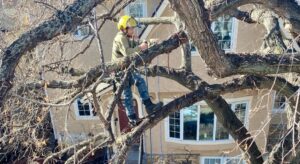
Understanding whether you need a permit for tree removal in Calgary prevents costly fines and legal complications while helping preserve the city’s urban forest. Calgary’s tree protection bylaw distinguishes between public trees owned by the city and private trees on residential property, with different regulations in Calgary governing each category. Navigating these local regulations can be confusing—many homeowners mistakenly believe they can remove any tree on their property without restriction, while others unnecessarily seek permits for work that doesn’t require them. This comprehensive guide clarifies when you need a tree removal permit in Calgary, explains the difference between public and private tree regulations, details the removal permit application process, and helps you avoid fines and ensure compliance with city bylaws. Whether you’re dealing with a hazardous tree, planning landscape renovations, or simply maintaining your property, understanding Calgary’s tree removal requirements protects both you and the city’s valuable urban canopy.
What Is Calgary’s Tree Protection Bylaw, and Who Does It Apply To?
Calgary’s tree protection bylaw establishes regulations designed to preserve the urban forest while balancing property owners’ rights to manage trees on their land. Understanding the scope of this bylaw helps determine whether your tree removal plans require official approval.
The tree protection bylaw primarily governs city-owned trees—those growing on public property, including streets, parks, pathways, and other city-maintained spaces. These public trees cannot be removed, pruned, or otherwise altered by private citizens under any circumstances. The City of Calgary maintains complete authority over these trees, and unauthorized interference can result in substantial fines. Even if a public tree’s roots or branches extend onto your private property, causing inconvenience, you cannot take action yourself—you must contact the city to request evaluation and possible remedial work.
For trees on private property, Calgary’s regulations are less restrictive than those of many other Canadian cities. Generally, homeowners in Calgary have the right to remove trees from their own property without obtaining a removal permit from the city. However, important exceptions exist: trees on development sites may be protected during the construction process, certain tree species in specific areas might have protective designations, and removing trees that provide critical habitat or erosion control could trigger environmental regulations. Additionally, while the city may not require permits for most private tree removal, individual neighborhood associations or homeowner covenants might impose their own restrictions, so checking local regulations beyond just city requirements is important.
Do You Need a Tree Removal Permit for Private Trees in Calgary?
The question of whether you need a permit to remove a tree from your private property in Calgary has a generally straightforward answer, but with nuances worth understanding.
For most residential properties within Calgary, homeowners do not need a tree removal permit to remove trees growing on their private property. This represents a significant difference from cities like Vancouver or Toronto, where permits are required for removing trees over certain sizes, even on private land. Calgary’s approach prioritizes property owner rights while using education and incentives rather than mandatory permits to encourage tree preservation. This means if you own the land and the tree is clearly within your property boundaries, you’re typically free to remove it without city approval.
However, several situations require caution. First, verify the tree is actually on your private property, not on the city right-of-way (the area between your property line and the street, which the city owns despite being adjacent to your yard). Many trees appear to be on private property but are technically city trees because they’re within this public land strip. Second, if you’re removing trees as part of a development or construction project, different rules may apply—development sites often require tree assessment and protection plans. Third, ensure no protective covenants on your property title restrict tree removal. Finally, even though you may not need a permit, removing large trees or multiple trees irresponsibly could potentially violate other bylaws related to soil stability, drainage, or environmental protection.
Before proceeding with tree removal on private property, consider consulting a professional arborist, even if a permit isn’t required. A certified arborist can assess whether the tree actually needs removal or if pruning would suffice, provide proper removal techniques that protect nearby structures and vegetation, and ensure the work is done responsibly in a way that won’t create problems with neighbors or unintended bylaw violations. This professional guidance, while not legally required, often prevents problems and ensures tree care is conducted properly.
What Are the Rules for Public Trees and City-Owned Trees?
Understanding regulations governing public trees is critical because violations carry serious penalties and can damage Calgary’s urban forestry infrastructure.
All city trees—those on boulevards, in parks, along pathways, or on any other public land—are completely protected under Calgary’s bylaws. Citizens cannot remove, prune, damage, or attach anything to these trees without explicit permission from the City of Calgary. Even if a public tree’s roots are damaging your sidewalk or driveway, or its branches are overhanging your property, creating shade or debris problems, you cannot take action yourself. The tree belongs to the city, and any modification requires city authorization and is typically performed by city crews or contracted professionals.
If you have concerns about a city tree, the proper process is to call 311, Calgary’s municipal service line, and report the issue. A 311 service representative will document your concern and route it to the appropriate department—typically Urban Forestry—for evaluation. The city will assess whether the tree poses a risk to safety or property, is diseased or dying, or if its maintenance (like pruning overhanging branches) is warranted. Response times vary based on urgency—emergencies like fallen trees or dangerous hanging branches receive immediate attention, while routine requests like pruning may take weeks or months, depending on the city’s workload and priorities.
Unauthorized work on city-owned trees results in significant fines. Penalties can reach several thousand dollars per tree, and violators may also be required to pay for tree replacement and restoration of damaged areas. These substantial consequences reflect the value Calgary places on its public tree canopy and the decades required to replace mature trees. Even well-intentioned actions like trimming overhanging branches yourself to clear your driveway can trigger these penalties. The message is clear: please call 311 for any concerns about public trees rather than taking matters into your own hands.
How Can You Tell If a Tree Is Public or Private Property?
Determining tree ownership is essential before planning any removal or maintenance work. Misidentifying a tree as private when it’s actually public leads to expensive violations.
The primary determinant is the tree’s location relative to your property line. Your property line typically doesn’t extend all the way to the street—there’s usually a strip of land between your fence or yard and the road that belongs to the city. This area, called the right-of-way or boulevard, is public land even though you may maintain the grass there. Trees growing in this zone are city trees, regardless of how close they are to your house or who planted them originally. Many homeowners mistakenly believe that because they mow the grass around a boulevard tree, they own it—this is incorrect.
To determine your exact property boundaries, check your property survey, which you should have received when purchasing your home. This legal document shows precisely where your property ends and city land begins. If you don’t have a survey, you can order one, though this involves some expense. More simply, contact the city’s 311 service—they can often provide information about property lines and confirm whether a specific tree is on public or private land. City officials can access property maps and right-of-way records to clarify ownership questions.
Physical clues can also suggest public ownership. Trees along streets, sidewalks, or pathways are almost always public trees. Trees in medians, park strips, or traffic circles are definitely city trees. If a tree grows within a few feet of the curb or sidewalk, it’s likely public even if it appears to be in “your yard.” When in doubt, assume the tree is public and verify before taking any action. The consequences of guessing wrong are severe enough that spending a few minutes confirming ownership with the city is well worth the effort.
What Is the Process for Requesting Public Tree Removal?
When you believe a city tree needs removal due to disease, danger, or other concerns, following the proper process ensures your request receives appropriate consideration.
Start by calling 311 and explaining your concern about the tree. Be specific: describe the tree’s location precisely (address, nearby landmarks), explain what problems you’ve observed (dead branches, leaning, root damage to infrastructure), and indicate if you believe the situation poses immediate danger. The 311 representative will create a service request and route it to Urban Forestry for assessment. You’ll receive a service request number to track your inquiry.
A city arborist or tree assessment team will visit the location to evaluate the tree. They’ll consider factors including the tree’s health, structural integrity, species, age, environmental value, and any risks it poses to public safety or property. Not every request results in tree removal—the city weighs preservation of the urban forest against identified concerns. If the tree is healthy and poses no significant risk, the city may decline removal and instead offer pruning or other maintenance. If the tree is diseased, dying, or dangerous, removal may be approved and scheduled.
The timeline for this process varies considerably. Emergency situations—fallen trees blocking roads, large hanging branches over walkways, or trees actively damaging buildings—receive rapid response, often within 24 hours. Routine removal requests, however, can take months from initial contact to actual work completion. The city must prioritize based on risk, available resources, and seasonal considerations (some tree work is better done in specific seasons). Following up on your service request number through 311 if you haven’t heard back in a reasonable time is appropriate, but understand that non-emergency tree work operates on the city’s schedule rather than individual preferences.
What Should You Know Before Hiring a Tree Service in Calgary?
Selecting qualified professionals for tree removal ensures work is done safely, legally, and responsibly while protecting you from liability.
First, verify the tree service company employs certified arborists or at least works with a professional arborist for assessment and planning. Look for ISA (International Society of Arboriculture) certification, which indicates formal training and expertise. Certified arborists understand proper pruning techniques, can identify disease and structural problems, and know how to remove trees safely without damaging property or harming nearby vegetation. While not all tree workers need certification for basic removal, having access to certified expertise ensures informed decisions.
Confirm the company carries proper insurance, including liability coverage and workers’ compensation. Tree removal is dangerous work—accidents can damage property or injure workers. Without adequate insurance, you could be liable for injuries or damage that occur on your property. Request proof of insurance before hiring and verify it’s current. Additionally, check that the company holds any required business licenses to operate within Calgary. While Alberta doesn’t require state-level tree service licensing, reputable companies maintain proper business registration and comply with local regulations.
Get multiple written estimates before committing to a contractor. Quotes should specify exactly what work will be performed, including removal, stump grinding, debris cleanup, and any additional services. Understand what’s included—some companies quote for tree cutting but charge separately for stump removal or hauling. Ask whether the company will handle the entire removal process or if you’re responsible for any cleanup or disposal. Beware of significantly low quotes, which may indicate inadequate insurance, plans to take shortcuts, or intentions to add hidden fees later. Choose based on qualifications, insurance, reputation, and reasonable pricing rather than the lowest bid alone.
Are There Situations Where Permits May Be Required for Private Tree Removal?
While Calgary generally doesn’t require permits for removing trees on private property, several scenarios involve additional approval processes that homeowners should understand.
If you’re removing trees as part of a construction or development project, requirements change significantly. Development sites must submit landscape plans showing existing trees and indicating which will be preserved or removed. The development permit process evaluates impacts on the urban forest and may require preservation of certain trees or mandatory replacement planting. These requirements aim to maintain tree canopy during urban development, balancing growth with environmental preservation. Even residential renovations like adding an addition might trigger tree assessment requirements if the project requires development permits.
Environmental protection regulations may apply regardless of tree ownership when removal could impact protected areas, waterways, or critical habitat. Trees providing essential erosion control on slopes, those in environmentally sensitive areas, or species identified as ecologically important might be protected under provincial or federal environmental laws separate from city tree bylaws. While such situations are relatively uncommon in typical residential settings, they can apply to properties near fish-bearing streams, steep slopes, or designated environmental reserves. If you suspect your property might involve these concerns, contact an arborist familiar with environmental regulations before proceeding with removal.
Utility companies also have jurisdiction over trees near power lines, gas lines, or other infrastructure. If your tree is growing near or through utility lines, the utility company may need to be involved in removal planning. Sometimes utilities will remove interfering trees at no cost to homeowners; other times, they require specific procedures or timing to ensure safe work near infrastructure. Before removing a tree tangled in power lines or near other utilities, contact the relevant companies to coordinate safe removal procedures.
What Are the Penalties for Removing Trees Without Proper Authorization?
Understanding the consequences of bylaw violations provides a strong incentive to ensure compliance before beginning tree work.
For unauthorized removal of or damage to city trees, fines are substantial—typically several thousand dollars per tree, depending on the tree’s size and value. The city calculates tree value based on species, size, condition, and location using standardized formulas. Mature trees can be valued at $10,000-$20,000 or more, and penalties may include both the assessed value and additional fines for bylaw violations. Beyond monetary fines, violators may be required to replant replacement trees at their own expense and restore damaged areas.
Even on private property, violations can occur under certain circumstances. If you remove trees covered by development permit conditions without authorization, or violate environmental protection requirements, or breach protective covenants, you face consequences ranging from stop-work orders on your project to fines or requirements to restore what was removed. While these situations are less common than public tree violations, they demonstrate that “my property, my rules” doesn’t always apply when broader regulations are involved.
Beyond official penalties, unauthorized tree removal can create civil liability. If you remove or damage a neighbor’s tree, they can sue for damages. If you remove trees that subsequently cause erosion, drainage problems, or other issues affecting adjacent properties, you may face legal action. Removing a large tree that provides shade or privacy, affecting a neighbor’s property enjoyment, can also trigger disputes. While property owners generally have rights to manage their land, doing so in ways that cause harm to others creates legal exposure. Responsible tree removal considers impacts beyond just your immediate property.
How Does Calgary Encourage Urban Forest Preservation?
While Calgary doesn’t mandate permits for most private tree removal, the city actively encourages tree preservation through education, programs, and incentives.
Calgary encourages residents to care for trees through public education about the urban forest’s value. Trees provide environmental benefits, including air quality improvement, stormwater management, energy savings through shading, and wildlife habitat. They also enhance property values—mature trees can add thousands to home prices. The city’s urban forestry department offers resources on selecting appropriate tree species for Calgary’s climate, proper planting techniques, and ongoing tree care to help residents understand their trees’ value and maintain them properly.
The city provides programs supporting tree planting and preservation. While specific offerings change over time, Calgary has historically offered subsidized tree programs, making it easier for homeowners to add trees to their landscapes. Educational workshops teach pruning, pest management, and seasonal care. The city’s website (City of Calgary’s website) provides extensive resources about tree selection, care requirements for different species, and best practices for preserving the urban canopy. These resources help residents make informed decisions even when formal permits aren’t required.
For development projects, the city may offer incentives or reduced development costs for preserving existing trees rather than removing them. Development plans that maintain mature trees or include substantial new plantings may receive favorable consideration during permit review. This approach encourages developers and homeowners to view trees as assets worth protecting rather than obstacles to development. The goal is to create a culture of preservation through education and incentives rather than relying solely on regulations and penalties.
What Resources Are Available for Learning About Tree Care and Regulations in Calgary?
Accessing accurate information helps homeowners make compliant, informed decisions about trees on their property and in their community.
The City of Calgary’s website serves as the primary resource for official information about tree regulations, permits, and city tree management. Search for “urban forestry,” “tree protection,” or “tree removal” to find relevant pages. The site explains the distinction between public and private trees, provides contact information for reporting concerns about city trees, and offers educational materials about tree care. While private tree removal generally doesn’t require permits, the website clarifies this and explains situations where requirements might apply.
Calling 311 provides direct access to city information and services. Whether you’re uncertain about tree ownership, want to report a concern about a public tree, or need clarification about regulations that apply to your situation, 311 representatives can answer questions or connect you with appropriate departments. This free service is available 24/7 and represents the quickest way to get specific guidance about whether you need permits or what processes to follow for your particular circumstances.
Professional resources beyond the city also provide valuable guidance. The Alberta Urban Forest Council offers information specific to Alberta communities, including Calgary. Local certified arborists can provide consultations about tree health, proper care techniques, and whether removal is truly necessary versus alternative solutions like pruning or treatment. Tree service companies with good reputations often provide free estimates that include a professional assessment—even if you decide not to hire them, this expert opinion helps you make informed decisions. Local nurseries and garden centers also often employ staff knowledgeable about tree species suitable for Calgary’s climate and basic care requirements.
Safe & Compliant Tree Removal Services in Calgary
If you’re planning to remove a tree, it’s important to do it safely—and in full compliance with local regulations. At Spruce It Up Garden Centre in Calgary, our professional tree removal service takes the guesswork out of the process. We help you determine whether your tree is on private or city property, guide you through any requirements, and handle the removal with precision and care. From hazardous trees to unwanted growth, our experienced team ensures every job is done efficiently, responsibly, and with minimal disruption to your landscape—so you can move forward with confidence.
Contact us today to get started!
Frequently Asked Questions About Tree Removal Permits in Calgary
Q. Do I need city approval to remove a dead tree on my property in Calgary?
A. Generally, non—homeowners in Calgary can remove dead trees on their private property without a removal permit. However, verify the tree is truly on your property rather than in the city right-of-way. If you’re unsure about property boundaries or the tree’s condition, consulting a professional arborist provides an expert assessment, even though permits aren’t required.
Q. Can I prune branches from a public tree that hangs over my property?
A. No, you cannot prune city trees yourself, even if branches overhang your property. The tree belongs to the city regardless of where its branches extend. Call 311 to request a city evaluation and pruning if overhanging branches create problems. Unauthorized pruning of public trees results in fines, even when the work occurs on your property.
Q. What happens if I accidentally damage a city tree?
A. Report the damage immediately by calling 311. Accidents happen—the city distinguishes between unintentional damage reported promptly and deliberate violations. Explain what occurred and cooperate with the city’s assessment of the damage. You may face costs for repair or replacement, but honest reporting is viewed more favorably than attempted concealment of the damage.
Q. Are there specific seasons when tree removal is prohibited in Calgary?
A. Calgary doesn’t prohibit tree removal during specific seasons on private property. However, environmental best practices and practical considerations make some seasons preferable—late fall through early spring is often ideal when trees are dormant and the ground is frozen to minimize landscape damage. If permits or environmental regulations apply to your situation, timing restrictions may be specified.
Q. Can my homeowners’ association restrict tree removal even if the city allows it?
A. Yes, community associations and homeowner covenants can impose restrictions beyond city requirements. Some neighborhoods have architectural controls requiring approval for tree removal even on private property. Check your property deed, community bylaws, and association rules before removing trees to ensure compliance with all regulations applicable to your specific location.
Q. What should I do if my neighbor is filing a complaint about my tree removal plans?
A. If your tree removal is on your private property and doesn’t violate city bylaws, protective covenants, or environmental regulations, you’re legally entitled to proceed despite neighbor objections. However, communicating with neighbors about your plans, explaining reasons for removal, and considering their concerns when possible maintains good relationships. If they claim violations, ensure you’re actually in compliance and document your due diligence in following proper procedures.
Key Takeaways: Tree Removal Permits in Calgary
- Most private tree removal doesn’t require city permits: Calgary homeowners generally have the right to remove trees on their private property without obtaining removal permits from the city
- All public trees are protected and require city authorization: Never remove, prune, or damage trees on city property; call 311 for any concerns about public trees to avoid substantial fines
- Verify property boundaries before proceeding: Many trees appear to be on private property but are actually in the city right-of-way; confirm ownership through property surveys or by contacting the city
- Development projects face additional requirements: Tree removal on development sites may require permits and assessment even on private property; check development permit requirements for construction projects
- Hire qualified, insured tree service professionals: Ensure companies employ certified arborists, carry proper insurance, and provide written estimates detailing all services and costs
- Fines for unauthorized public tree work are severe: Penalties can reach thousands of dollars per tree plus requirements to pay for replacement and restoration; compliance protects your finances
- Call 311 for guidance and city tree issues: This free service provides information about regulations, confirms tree ownership, and facilitates reporting concerns about public trees
- Environmental regulations may apply beyond city bylaws: Trees in sensitive areas, near waterways, or providing critical functions may have protection under environmental laws separate from city requirements
- Check homeowner covenants and neighborhood rules: Community associations may restrict tree removal even when city permits aren’t required; verify all regulations applicable to your property
- Calgary encourages preservation through education: While regulations are permissive, the city promotes tree care and protection through programs, resources, and development incentives supporting urban forest health
Store Hours
Mon-Sun:
9:00 AM - 6:00 PM
Events & Workshops
Follow us on

Contact Info
Explore
Subscribe to our latest insights
Subscribe to our Newsletter Event right now to be updated on special offers Gardening and Landscaping.
Copyright 2026. All rights reserved.
Mon - Sun: 9:00am - 6:00pm


