Mon-Sun: 9 AM - 6 PM



SPRUCE IT UP GARDEN CENTRE
Spruce It Up, Green It Up, Prune It Up, we've got you covered!
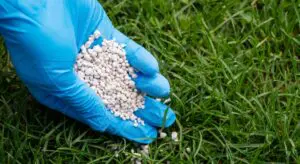
Does Fertilizer Go Bad? Understanding Lawn Fertilizer Shelf Life, Storage Tips, and How Long a Bag of Fertilizer Lasts
Many homeowners wonder, “Does Fertilizer go Bad?” when discovering old bags in their garage or shed, uncertain whether these lawn care products remain safe and effective to use. Understanding fertilizer shelf life helps you maintain the quality of stored products, avoid wasting money on degraded materials, and ensure your lawn receives the full nutrient content it needs for optimal growth. While the answer depends on whether you have granular or liquid fertilizer and how it’s been stored, most fertilizers can last for years if stored properly in cool, dry conditions away from direct sunlight and high humidity. This comprehensive guide explains how long different types of fertilizer remain effective, reveals the signs that fertilizer has gone bad, provides the best storage methods for lawn fertilizer to maximize longevity, and answers common fertilizer storage questions. Whether you’re deciding if that old bag of fertilizer is still usable or learning proper storage tips to keep fertilizers effective from year to year, understanding the shelf life of your fertilizers helps you get the most value from your lawn care investment.
Do Fertilizers Don’t Go Bad or Do They Expire?
The simple answer to whether fertilizer goes bad is more nuanced than a yes or no. Different types of fertilizer behave differently over time, and storage conditions dramatically affect longevity.
Synthetic granular fertilizer—the most common type used for lawns—technically doesn’t expire in the traditional sense. The inorganic chemical nutrients (nitrogen, phosphorus, potassium) don’t decompose or lose their potency over time. If stored properly in a cool, dry place, granular lawn fertilizers can last indefinitely if stored properly. However, while the nutrients remain chemically stable, the physical condition of the fertilizer can deteriorate. Exposure to humidity causes fertilizer to absorb moisture, leading to clumping that makes application difficult. Extreme temperature fluctuations can also affect physical texture. So while fertilizer is no longer “bad” in the sense of being chemically degraded, it may become practically unusable if not stored correctly.
Liquid fertilizers and organic fertilizers follow different rules. Liquid fertilizer has a much shorter shelf life—typically staying fresh for about 8 to 10 years when stored in sealed containers away from temperature extremes. Organic liquid fertilizers have even shorter longevity, often remaining effective for only 1 to 2 years before microbial activity breaks down organic compounds. Organic fertilizers like blood meal, bone meal, or compost-based products also degrade over time as their organic components decompose naturally. Understanding these differences between fertilizer types helps you set realistic expectations for how long your specific lawn care products will remain effective.
How Long Does Lawn Fertilizer Last When Stored Properly?
Understanding the shelf life of different fertilizer types helps you know whether old products are worth using or should be replaced.
Granular fertilizer enjoys the longest shelf life of all fertilizer types. When stored properly—kept in a cool, dry environment sealed in original packaging or airtight containers—synthetic granular fertilizers can last 8-10 years or more without significant loss of effectiveness. Some manufacturers suggest that properly stored granular fertilizer could theoretically last indefinitely since the chemical nutrients don’t break down over time. The practical limit comes from physical degradation (clumping, caking) rather than chemical breakdown. If you can keep fertilizer in its original packaging in a garage or shed with stable temperature and low humidity, you should be able to use granular lawn fertilizer for many years.
Liquid fertilizers generally stay fresh for a considerably shorter period. Most liquid fertilizer products remain effective for 4-8 years when stored in their original sealed containers. Once opened, liquid fertilizers should be used within 2-3 years for best results. The issue with liquid fertilizers isn’t that nutrients degrade chemically, but that solids can settle to the bottom over time, requiring thorough shaking before use. Additionally, liquid products are more susceptible to temperature-induced changes—freezing and thawing can affect consistency and potentially cause containers to crack.
Organic fertilizers have the shortest shelf life due to their biological nature. Organic liquid fertilizers containing living microbes or enzymes typically last only 1-2 years before beneficial organisms die off. Dry organic fertilizers like blood meal or bone meal can last 3-5 years if stored properly, but they gradually lose their potency as organic compounds slowly decompose. Compost and compost-based fertilizers should be used within one year for best results, as the decomposition process continues during storage. If you use organic lawn care products, plan to replace them more frequently than synthetic alternatives.
What Are the Signs That Fertilizer Has Gone Bad?
Knowing how to identify degraded fertilizer helps you avoid applying ineffective products to your lawn. Several telltale signs indicate fertilizer has deteriorated beyond a useful condition.
For granular fertilizer, the most obvious sign of degradation is severe clumping or caking. While minor clumping can often be broken apart and the fertilizer used normally, fertilizer that has become a solid mass or that contains hard chunks that won’t break apart has likely absorbed too much moisture. If you can’t break up the clumps into a spreadable consistency, the fertilizer may not distribute evenly through your spreader and could create uneven feeding or even burn spots on your lawn. Another sign is visible color change—if granular fertilizer has changed color significantly from its original appearance, this might indicate chemical reactions caused by moisture exposure.
Liquid fertilizer degradation shows different symptoms. If liquid fertilizers have separated into distinct layers that won’t recombine even after thorough shaking, they’ve likely gone bad. Unusual odors—particularly sour or rotten smells—indicate organic components have spoiled. Significant sediment accumulation at the bottom that creates a thick sludge rather than fine particles suggests decomposition. For organic liquid fertilizers containing beneficial microbes, loss of the characteristic earthy smell might indicate that living organisms have died off, reducing effectiveness.
Physical packaging damage also signals potential problems. If the original packaging has torn or the container has cracked, allowing moisture exposure, the fertilizer inside has likely absorbed humidity and degraded. Rust on metal containers or bulging in plastic bottles indicates chemical reactions or temperature-related expansion that may have compromised contents. When you know if fertilizer has gone bad based on these visual and physical signs, you can make informed decisions about whether to use old fertilizers or replace them.
What Are the Best Storage Methods for Lawn Fertilizer?
Proper storage dramatically extends fertilizer shelf life and maintains product effectiveness. Following these storage tips protects your lawn care investment.
The fundamental rule: store fertilizer in a cool, dry place away from direct sunlight and temperature extremes. Ideal storage locations maintain temperatures between 40-80°F with humidity below 60%. Garages, sheds, or basements that stay relatively cool and dry work well. Avoid storing fertilizer in uninsulated sheds that experience extreme temperature swings or in damp basements with high humidity. Keep fertilizers elevated off concrete floors, which can transfer moisture—use wooden pallets or shelving to maintain airflow around packages. Never store fertilizer outdoors, even under tarps, as moisture exposure will inevitably cause degradation.
Keep fertilizer in its original packaging whenever possible. The bags and bottles are designed to protect contents from moisture and light. If you must transfer fertilizer to different containers, use airtight, moisture-proof containers with tight-sealing lids. Food-grade plastic bins with locking lids work well for granular fertilizer. For liquid fertilizer, ensure any secondary container is compatible with the chemical composition—some fertilizers can react with certain plastics. Label all containers clearly with product name, application rate, and purchase date so you can track age.
Seal partially used bags thoroughly before storage. Roll the top of fertilizer bags tightly and secure with heavy-duty clips, zip ties, or duct tape to prevent moisture infiltration. For added protection, place sealed fertilizer bags inside larger plastic bins or storage bags. This double-layer protection guards against humidity that can cause fertilizer to absorb moisture and clump. Separate different types of fertilizer to prevent confusion and potential reactions—don’t store lawn fertilizer near herbicides or pesticides that might contaminate it.
How Does Moisture and Humidity Affect Fertilizer Shelf Life?
Understanding moisture’s impact on fertilizer helps explain why storage conditions matter so much and why high humidity can cause significant degradation.
Granular fertilizer is hygroscopic, meaning it naturally attracts and absorbs moisture from the air. This moisture absorption causes the individual granules to stick together, forming clumps that start as loose aggregations but can solidify into rock-hard masses if moisture exposure continues. High humidity accelerates this process—fertilizer stored in environments with 70%+ humidity will clump within weeks or months, while the same product in a 40% humidity environment might remain free-flowing for years. The clumping doesn’t necessarily destroy the fertilizer’s nutrient content, but it makes the product nearly impossible to spread evenly through a spreader, potentially creating application problems.
Liquid fertilizer faces different moisture-related challenges. While liquid products don’t “absorb” moisture like granular types, temperature and humidity fluctuations can affect consistency. Temperature swings cause expansion and contraction that can eventually compromise container seals, allowing moisture to enter or product to escape. High humidity in storage areas can also promote corrosion on metal containers or degradation of plastic bottles, eventually leading to leaks. For organic liquid fertilizers, humidity combined with warmth can accelerate decomposition of organic components and encourage unwanted microbial growth.
To maintain the quality of fertilizers in humid climates, extra precautions are necessary. Consider storing fertilizer bags inside airtight plastic totes rather than relying solely on the original bags. Use moisture-absorbing products like silica gel packets or DampRid in storage areas to reduce ambient humidity. Check stored fertilizer periodically—if you notice any clumping starting, you can sometimes save the product by breaking it apart and transferring it to more moisture-proof storage. In very humid environments, buying smaller quantities that you’ll use within one season may be more practical than trying to store large amounts from year to year.
Can You Still Use Clumped or Old Fertilizer?
When you discover old fertilizer that’s developed clumps or been sitting unused for years, determining whether it’s still usable saves money while avoiding potential lawn damage.
Lightly clumped granular fertilizer can often be salvaged and used effectively. If the clumps are soft and break apart easily when squeezed or shaken, the fertilizer is likely still good. Pour the fertilizer through a large-mesh screen or hardware cloth to break up the clumps before loading it into your spreader. You can also place small amounts in a bucket and use your hands to break apart clumps, wearing gloves to protect your skin from concentrated nutrients. Once the fertilizer returns to a reasonably free-flowing state, it should spread through your equipment normally and provide the expected nutrient content to your lawn.
However, severely caked fertilizer that forms hard, rock-like masses is generally not worth trying to salvage. These solid chunks indicate extensive moisture exposure that may have caused chemical reactions, altering the fertilizer’s composition. Even if you successfully pulverize the hardened fertilizer, the nutrients may no longer be in the balanced ratios indicated on the label, potentially causing uneven plant growth or fertilizer burn. Additionally, the effort required to break down severely caked fertilizer often exceeds the cost of buying fresh product. If you encounter fertilizer that requires significant effort to break apart, consider disposing of it properly and purchasing new fertilizer.
For liquid fertilizer, age matters more than for granular types. Before using older liquid fertilizers, shake the container vigorously for at least 30 seconds to remix any settled components. If the liquid appears uniform after shaking without thick sludge remaining at the bottom, it’s probably fine to use. However, if you notice color changes, unusual smells, or separation that won’t recombine, the product has likely degraded. Expired fertilizer that’s gone truly bad should be disposed of according to local hazardous waste guidelines rather than being applied to lawns where it might harm grass or contaminate groundwater.
Do Organic and Synthetic Fertilizers Have Different Shelf Lives?
The composition differences between organic fertilizer and synthetic products create significant variations in storage longevity and degradation patterns.
Synthetic fertilizers enjoy much longer shelf lives than organic alternatives because their chemical nutrients don’t decompose biologically. Products like urea, ammonium nitrate, potassium chloride, and other manufactured compounds remain chemically stable for years. A synthetic granular lawn fertilizer can easily last 8-10 years when stored in a dry environment, and potentially indefinitely if conditions are ideal. The nutrients don’t break down over time—they’re not alive and don’t support microbial activity that would degrade them. This stability makes synthetic fertilizers excellent for long-term storage and purchase in bulk quantities.
Organic fertilizers face shorter shelf lives because they contain biological materials that naturally decompose. Products like blood meal, bone meal, fish emulsion, or compost-based fertilizers are made from once-living materials that continue breaking down even during storage. Beneficial microbes included in some organic products have limited lifespans—microbial inoculants typically remain viable for only 1-2 years even under ideal storage. Additionally, organic materials can attract pests during storage—rodents and insects may be drawn to organic fertilizers in ways they ignore synthetic products. For these reasons, organic lawn care enthusiasts should plan to replace organic fertilizers every 2-3 years and buy only what they’ll use within this timeframe.
The trade-off is that organic fertilizers provide benefits beyond simple nutrient delivery—they improve soil structure, support beneficial soil organisms, and release nutrients gradually. Many organic lawn care advocates accept the shorter shelf life as worthwhile given these advantages. If you use organic products, mark purchase dates clearly and prioritize using the oldest stock first. Store organic fertilizers in sealed containers to prevent pest access and keep them in the coolest available location to slow decomposition. Despite shorter shelf lives, properly stored organic fertilizers remain effective for their intended lifespan and provide excellent results when used fresh.
What Should You Do with Fertilizer from Year to Year?
Managing fertilizer inventory across multiple seasons requires a strategy to minimize waste while ensuring you have effective products when needed.
At season’s end, carefully assess remaining fertilizer quantities and condition. If you have partial bags or bottles of granular and liquid fertilizers, evaluate whether they’re worth storing for next year. For synthetic granular fertilizer stored in dry conditions, keeping leftovers makes sense—reseal bags thoroughly, label with content and date, and store them in a protected location. Estimate whether you’ll realistically use these remainders next season. Having three partial bags of different formulations might be less practical than consolidating or using them up on fall feeding and starting fresh next spring with the specific products you need.
Create an inventory system to track what fertilizer you have in storage. Label all containers with product name, N-P-K ratio, purchase date, and any specific use instructions. Keep a list in your phone or on paper showing what lawn care products you have available. This prevents accidentally buying duplicates while helping you use older products before they degrade. When you store your fertilizer, place the oldest products toward the front of storage areas so you’re reminded to use them first. This “first in, first out” rotation ensures products get used while still effective.
For products you won’t realistically use, consider sharing with neighbors or community gardens rather than long-term storage. Half-used bags of quality fertilizer have value to other gardeners even if they don’t fit your plans. Many community gardens welcome donations of lawn care products. Alternatively, if you know you won’t use certain fertilizers, dispose of them properly through household hazardous waste collection programs rather than letting them sit deteriorating in storage. The goal is maintaining a manageable inventory of effective products rather than accumulating old fertilizers that may or may not work when you finally use them.
How Can You Tell the Difference Between Good and Bad Storage Conditions?
Understanding what constitutes appropriate versus problematic storage helps you evaluate whether your current setup adequately protects fertilizer or requires improvement.
Good storage conditions share several characteristics. The space maintains a relatively stable temperature year-round, ideally 40-80°F without extreme fluctuations. Humidity stays below 60%, with air circulation that prevents moisture accumulation. The storage area stays dry even during rain or snow—no leaks, flooding, or condensation issues. Fertilizer sits elevated off the floor on shelves or pallets, preventing contact with moisture-prone surfaces. The space provides protection from direct sunlight, which can heat containers and degrade some fertilizer components. If your storage area meets these criteria, fertilizers should remain effective for their expected shelf lives.
Poor storage conditions exhibit warning signs that threaten fertilizer quality. Temperature extremes—above 95°F in summer or below freezing in winter—stress products, particularly liquids. Visible moisture issues like condensation on walls or water stains indicate humidity problems that will cause granular fertilizers to clump. Direct sunlight exposure heats products and may degrade packaging. Storing fertilizer directly on concrete floors, especially in basements or garages, allows moisture to wick up into bags. If you notice these conditions in your storage area, either improve the environment or plan to use the fertilizer more quickly before degradation occurs.
To ensure your lawn remains healthy with quality fertilizer, audit your storage setup honestly. Check current conditions—use a thermometer and humidity gauge to measure actual conditions rather than assuming they’re suitable. Inspect stored fertilizer for signs of degradation. If you find clumping, moisture exposure, or other problems, address the storage environment before it ruins more product. Sometimes simple changes like adding a dehumidifier, sealing air leaks, or moving storage to a different location dramatically improve conditions and protect your investment in lawn care products.
Professional Lawn Fertilizer Services in Calgary
Calgary lawns face unique challenges:
- Short growing season
- Temperature swings
- Clay-heavy soils
- Drought stress
- Snow mold and winter damage
Our fertilizer programs are designed specifically for these conditions.
We apply high-quality fertilizer at the right time, in the right amount, using professional-grade equipment that ensures:
- Even coverage
- Proper nutrient balance
- Strong root development
- Healthier, thicker turf
No over-application.
No fertilizer burn.
No uneven striping.
Just consistent, professional results.]
Contact us today for a free quote!
Frequently Asked Questions About Fertilizer Shelf Life
1. Can you use fertilizer that’s been frozen?
Granular fertilizer tolerates freezing without damage—the chemical nutrients aren’t affected by cold temperatures. However, liquid fertilizer can be damaged by freezing. Water-based liquids expand when frozen, potentially cracking containers. Freezing and thawing can also affect liquid consistency, causing permanent separation or settling. If liquid fertilizers have frozen, check containers for cracks before use and shake thoroughly to remix contents.
2. How long does weed and feed fertilizer last compared to regular fertilizer?
Weed and feed products typically have shorter shelf lives than plain fertilizer because herbicide components can degrade over time. While the fertilizer portion remains stable for years, herbicides may lose effectiveness after 2-3 years. Check product labels for specific shelf life information, and plan to use weed and feed products within this timeframe for best results.
3. Does the fertilizer’s shelf life differ for different brands?
All major fertilizer brands use similar basic formulations, so shelf life differences between brands are minimal. Storage conditions affect longevity far more than brand selection. However, some premium brands use advanced coatings or moisture-resistant packaging that may extend shelf life slightly. Follow the application and storage instructions on whatever product you purchase for best results.
4. Can old fertilizer harm your lawn even if it’s still chemically active?
Old fertilizer that has severely clumped may apply unevenly, creating concentrated spots that could burn grass. Otherwise, aged synthetic fertilizer won’t actively harm lawns—it either works normally or has lost effectiveness. However, degraded organic fertilizers could potentially harbor harmful bacteria or fungi that might affect plant growth. When in doubt, it’s safer to replace questionable old fertilizers than risk lawn damage.
5. Should you dispose of fertilizer that’s past its “expiration date”?
Expiration dates on fertilizer bags are often conservative estimates rather than hard deadlines—properly stored synthetic fertilizer typically remains effective well beyond these dates. However, if fertilizer has been stored poorly or shows obvious degradation, the date provides a reasonable guideline for replacement. Consider the date as a suggestion to evaluate the condition rather than an absolute disposal requirement.
6. How can you extend the life of your fertilizers beyond their typical shelf life?
The best strategy is perfect storage: keep fertilizers in their original packaging or airtight containers in a climate-controlled space with low humidity. Vacuum-sealing opened fertilizer bags or using oxygen absorbers can extend shelf life further. For liquid fertilizers, minimize air exposure by keeping containers full—transfer to smaller containers as you use the product. These extra precautions can extend shelf life significantly, though at some point buying fresh fertilizer becomes more practical than elaborate storage efforts.
Key Takeaways: Understanding Fertilizer Shelf Life
- Synthetic granular fertilizers last 8-10 years or longer: When stored properly in cool, dry conditions, these products remain chemically stable and effective essentially indefinitely, though physical condition may degrade
- Liquid fertilizers have 4-8 year shelf lives: These products remain effective longer than organic alternatives but shorter than granular fertilizers; once opened, use within 2-3 years for best results
- Organic fertilizers need replacement every 1-3 years: Biological components decompose during storage; plan to use organic products faster than synthetic alternatives to ensure maximum effectiveness
- Moisture is fertilizer’s greatest enemy: High humidity causes clumping in granular fertilizers and affects liquid consistency; store products in dry environments below 60% humidity
- Keep fertilizers in original packaging: Bags and bottles provide optimal protection from moisture and light; if transferring to other containers, use airtight, moisture-proof options
- Lightly clumped fertilizer can often be salvaged: Soft clumps that break apart easily indicate the product is still usable; severely caked fertilizer is generally not worth the effort to rehabilitate
- Storage conditions matter more than age: Ten-year-old fertilizer stored in a dry garage works better than two-year-old product exposed to humidity; prioritize ideal storage over age alone
- Organic and synthetic fertilizers require different handling: Synthetic products tolerate long-term storage; organic alternatives need more frequent replacement and protection from pests
- Proper storage extends product life significantly: Cool temperatures, low humidity, elevated storage, and sealed containers can double or triple effective shelf life compared to poor storage
- Label and track fertilizer inventory: Mark purchase dates, create usage plans, and rotate stock to ensure you use products while they’re still effective, minimizing waste and maximizing lawn care results
Store Hours
Mon-Sun:
9:00 AM - 6:00 PM
Events & Workshops
Follow us on

Contact Info
Explore
Subscribe to our latest insights
Subscribe to our Newsletter Event right now to be updated on special offers Gardening and Landscaping.
Copyright 2026. All rights reserved.
Mon - Sun: 9:00am - 6:00pm