Mon-Sun: 9 AM - 6 PM



SPRUCE IT UP GARDEN CENTRE
Spruce It Up, Green It Up, Prune It Up, we've got you covered!
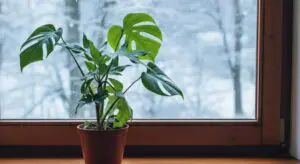
Houseplant, Indoor Plants, and Winter Houseplant Care: How to Keep Your Plants Thriving Indoors During Wintertime
Winter is coming, and for many plant parents, that means adjusting how they care for every houseplant once the cold season arrives. Indoor plants face very different conditions during the winter months, from less light to dry indoor air and temperature changes. This guide to winter houseplant care explains how to keep your plants healthy, happy, and alive when they are inside for winter.
By understanding how water, humidity, light, and plant care routines change during wintertime, you can help your indoor plants thrive instead of just survive. Whether you are bringing plants indoors from outdoor plants or caring for houseplants that stay inside year-round, this article walks you through everything you need to know.
Watering a Houseplant in Winter: How Much Water Do Indoor Plants Really Need?
Watering habits must change during the winter months. Most indoor plants need less water because growth slows down and evaporation happens more slowly. Overwatering is one of the most common wintertime mistakes and can quickly lead to rot or root rot.
Instead of following a summer routine, check the soil before you water your plants. Allow the top layer to dry out and use less water in winter. Many indoor plants prefer slightly drier conditions during dormancy, especially if the plant is not actively producing new growth.
Pay attention to the individual plant rather than a fixed schedule. Plants may need different amounts of water depending on light levels, room temperature, and humidity. When in doubt, it is safer to wait than to water too much.
Why Humidity Matters for Indoor Plants During Wintertime
Humidity drops significantly during winter due to indoor heating and dry air. Many houseplants are tropical plants that naturally prefer high humidity, so dry indoor air can stress them.
Using a humidifier is one of the most effective ways to increase humidity around your plants. You can also use a pebble tray with water or try grouping plants to raise humidity naturally. Grouping plants creates a small microclimate that helps plants happy and reduces moisture loss.
If you notice brown leaf tips or curling plant leaves, low humidity may be the cause. Maintaining proper humidity helps indoor plants stay healthy and reduces pest problems like spider mites.
Caring for Houseplants Indoors When Light Levels Drop
Shorter days and weaker sunlight mean indoor plants receive less light during the winter months. Many indoor plants need brighter light than they get naturally during winter days.
Move your plants closer to windows, but avoid cold drafts. South-facing windows often provide the best amount of light. If natural light is not enough, consider using a grow light to supplement.
Plants thrive when light matches their needs. Too little light can slow plant growth, while sudden exposure to cold glass can damage leaves. Adjust placement gradually and monitor how plants respond.
Should You Fertilize Indoor Plants During the Winter Months?
Fertilizer use should be reduced or stopped during the wintertime for most houseplants. Since plant growth slows, feeding them fertilizer can cause salt buildup and damage roots.
If a plant is actively growing and producing new growth, light fertilizing may be acceptable. Otherwise, wait until spring and summer to resume regular feeding.
Understanding dormancy is key to winter houseplant care. A dormant plant does not need extra nutrients, only stable conditions and proper plant care.
Managing Pests on Indoor Plants During Winter
Pests often hitch a ride indoors when bringing plants inside from outdoors. Spider mites, fungus gnats, and other pest issues become more common in winter due to dry air.
Inspect plants carefully before bringing them indoors. Clean leaves, trim damaged areas, and isolate new or brought inside plants for a short time. Regular inspections help catch problems early.
Increasing humidity and keeping plants clean reduces pest activity. If pests appear, treat them promptly to protect surrounding plants indoors.
How Temperature and Drafts Affect Houseplants in Winter
Indoor temperature changes can stress a houseplant, especially when placed near heat sources or cold drafts. Sudden temperature shifts may cause leaves to drop or growth to stall.
Keep plants away from radiators, heaters, and drafty windows or doors. Room temperature stability is important for plant health during the wintertime.
Plants may suffer if exposed to cold air at night and warm air during the day. A consistent environment helps plants live and thrive..
Bringing Outdoor Plants Indoors for Winter: What to Know
When bringing plants indoors, preparation is critical. Outdoor plants must be cleaned, inspected for pests, and gradually adjusted to indoor conditions.
Move your plants indoors before temperatures drop too low. Outdoor plants often experience shock when moved suddenly, so placing them in indirect light first helps ease the transition.
Not all outdoor plants are suitable to keep indoors. Focus on tropical plants and houseplants that adapt well to indoor air and winter conditions.
Cut Back, Repot, or Leave It Alone? Winter Plant Care Decisions
Winter is generally not the best time to repot or heavily prune plants. Cut back only dead or damaged growth, and avoid major changes unless necessary.
Repotting is best saved for spring and summer when plants are actively growing. However, if rot or severe root issues appear, action may be required.
Understanding plant needs helps you decide when intervention is necessary. Most winter houseplant care focuses on maintenance rather than growth.
Tips to Keep Indoor Plants Healthy and Happy All Winter
Simple habits make a big difference during wintertime. Clean leaves to improve light absorption and inspect plants regularly.
Keep indoor plants away from extreme conditions, adjust water routines, and maintain humidity. Small changes help your plants adapt to winter days.
These care tips support plants thrive even when growth slows. Consistency is more important than doing too much.
Houseplants in Winter: What Changes Should You Expect?
Houseplants in winter often look different from how they do in warmer months. Slower growth, fewer leaves, and temporary dormancy are normal.
Plants may need less water and no fertilizer, but still require attention. Observing changes helps you respond correctly instead of overcorrecting.
Wintertime is about helping plants survive comfortably so they can flourish again when spring returns.
Visit Our Store for Healthy Houseplants and Winter Care Essentials
Caring for indoor plants during winter is easier when you start with the right plants and the right tools. Visit Spruce It Up to explore a wide selection of healthy houseplants that thrive indoors, along with pots, soil, and winter plant care essentials designed to support your plants through the colder months. Whether you’re bringing outdoor plants inside, refreshing your indoor space, or looking for expert advice on winter houseplant care, our team is here to help you choose plants that fit your home and lifestyle. Stop by our store and give your plants the best start for a healthy, happy winter indoors.
FAQ
Q. How often should I water a houseplant during winter months?
A. Most indoor plants need less water in the winter. Check soil moisture before watering and allow the soil to dry slightly between waterings to prevent root rot.
Q. Do indoor plants need fertilizer in the wintertime?
A. Generally, no. Most houseplants slow their growth during the winter months and do not require fertilizer unless they are actively producing new growth.
Q. How can I increase humidity for indoor plants in the winter?
A. Use a humidifier, group plants together, or place plants on a pebble tray with water to improve humidity levels around them.
Q. Should I use a grow light for houseplants in the winter?
A. Yes, grow lights can help compensate for reduced daylight, especially if your indoor plants are not receiving enough natural light.
Q. Is it safe to bring outdoor plants indoors for winter?
A. Yes, as long as you inspect them for pests, clean them thoroughly, and gradually adjust them to indoor conditions.
Key Takeaways
- Indoor plants need less water during winter months
- Humidity is crucial for healthy winter houseplant care
- Reduced light may require moving plants or using a grow light
- Fertilizer should usually be paused during wintertime
- Inspect and prepare outdoor plants before bringing plants indoors
- Stable temperatures and fewer drafts help plants thrive
- Winter is about maintenance, not rapid plant growth
Store Hours
Mon-Sun:
9:00 AM - 6:00 PM
Events & Workshops
Follow us on

Contact Info
Explore
Subscribe to our latest insights
Subscribe to our Newsletter Event right now to be updated on special offers Gardening and Landscaping.
Copyright 2026. All rights reserved.
Mon - Sun: 9:00am - 6:00pm